The Empty Head: Finding Creative Clarity in the Morvan
What the silent forests of the Morvan taught me about making space for creative work

There’s a paradox at the heart of creative work: the more desperately we fill our minds, the less room we have to create. I know this because I’ve lived it—scrolling through feeds at 2 AM, convinced that somewhere in the digital noise I’d find the missing piece for my work. More input, I told myself. More reference images. More inspiration.
But creativity doesn’t work like a factory line. It works like a forest floor after rain—It needs space—quiet, unoccupied space.
I understood this intellectually for years. But I didn’t truly feel it until I recently found myself alone in the autumn forests of the French Morvan again, working on photo projects I can barely describe yet, because they’re still becoming themselves.
The Tyranny of the Full Mind
My mind used to feel like a browser with forty tabs open. Each morning I’d wake up and immediately start adding: articles about other photographers’ work, technical tutorials, exhibition reviews, the endless scroll of everyone else’s finished, polished projects. And underneath it all, the heavier tabs—world politics, the climate disaster we’re living through, genocide in Gaza, President Trump and his alarming companions, the threats from Putin, an endless cascade of worrying news.
How can I justify focusing on creative work that won’t change any of this? The guilt was constant. And yet, I still believe—stubbornly, perhaps naively—that art matters. That it’s a vital force, even if I can’t always articulate why.
The stress wasn’t just exhausting—it was creatively suffocating. Every notification felt like a small violence against the fragile space where my own vision was trying to form. Every ‘you should see or read this’ pulled me further from what I actually wanted to make. The weight of the world made picking up my camera feel almost irresponsible.
I arrived in the Morvan carrying all of this. My camera bag felt heavy, but my head felt heavier.
What the Forest Taught Me
The Morvan isn’t famous like other parts of France. It doesn’t announce itself. It’s a landscape of rolling hills, ancient forests, and stone villages that seem to have grown from the earth rather than been built upon it.
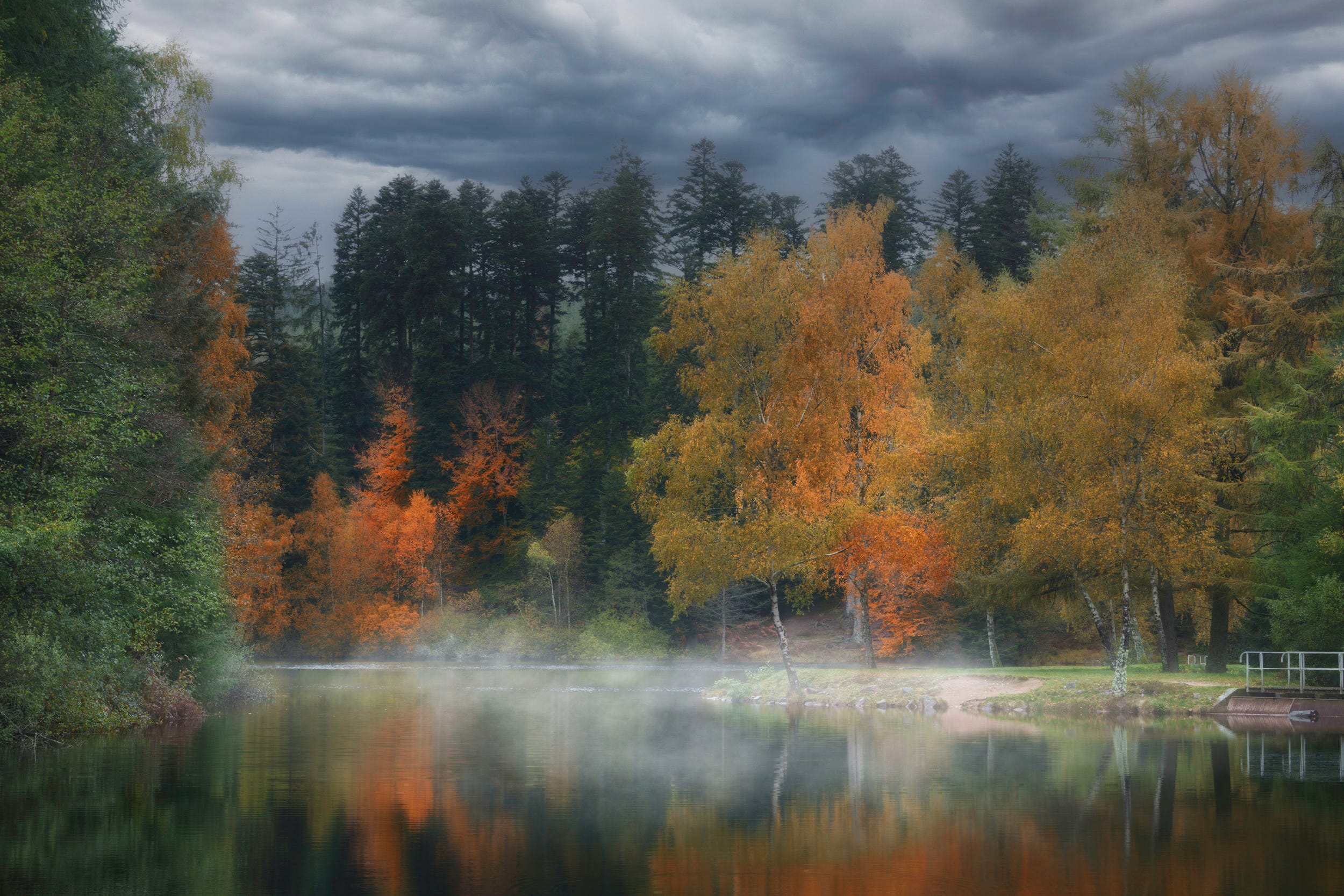
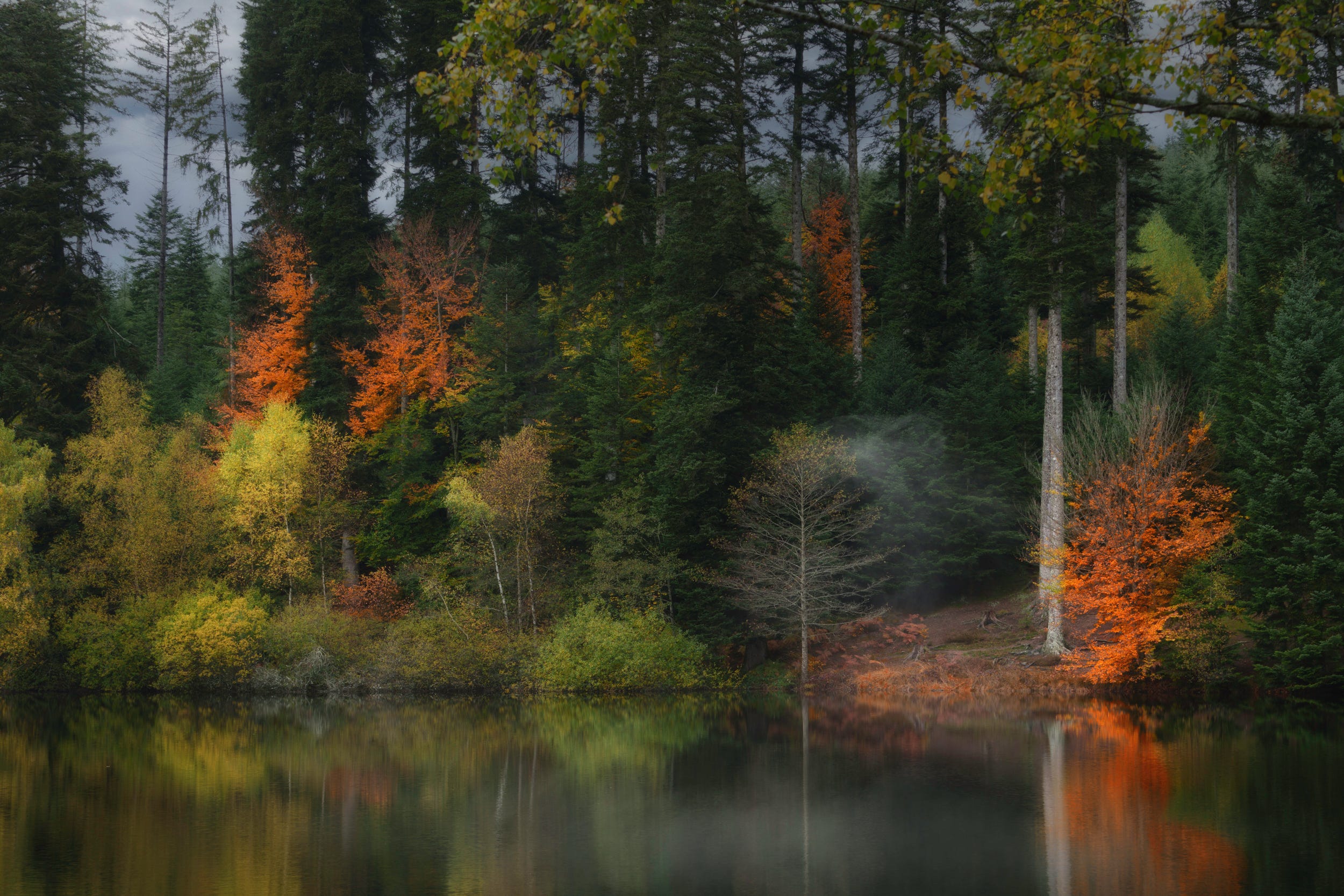
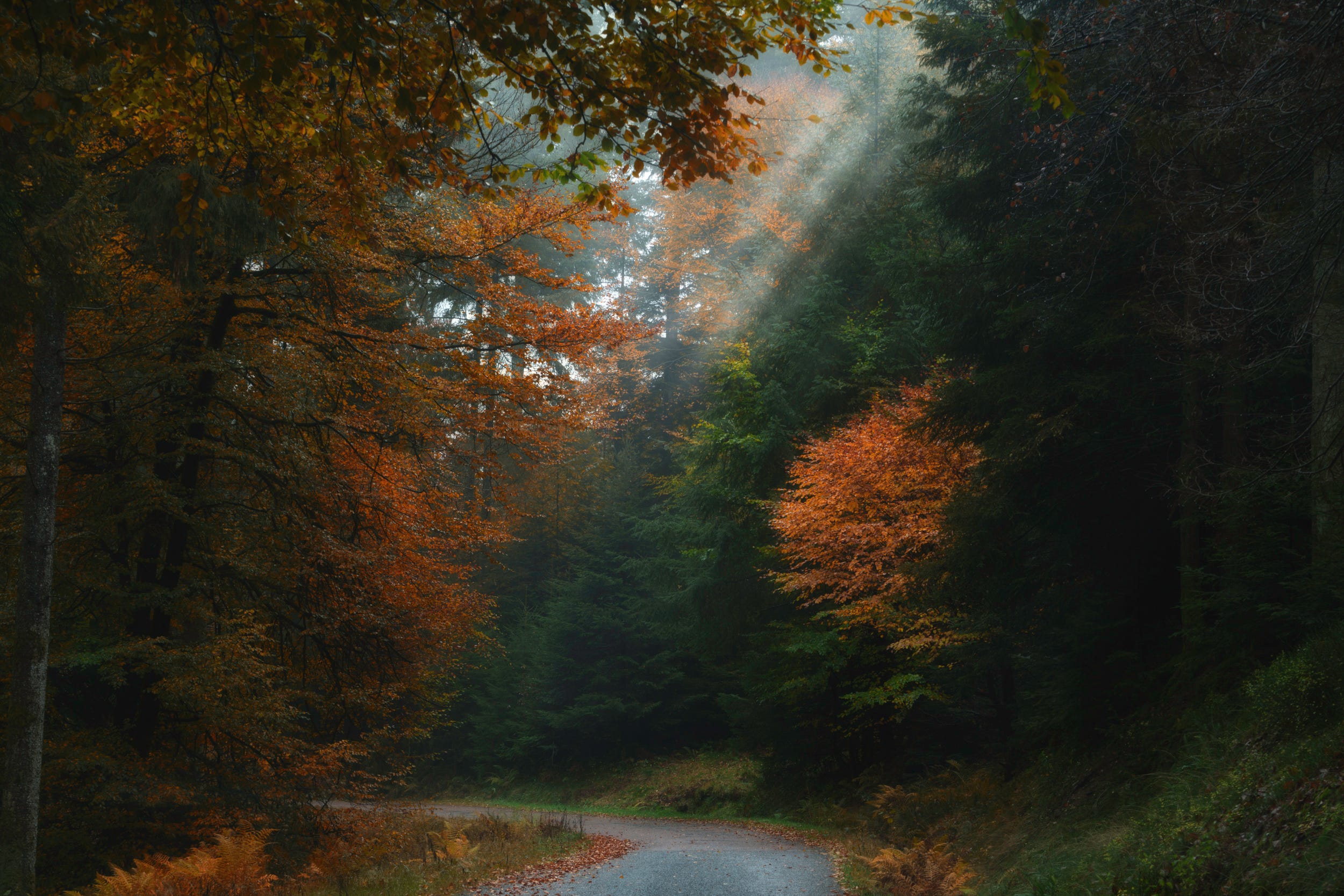
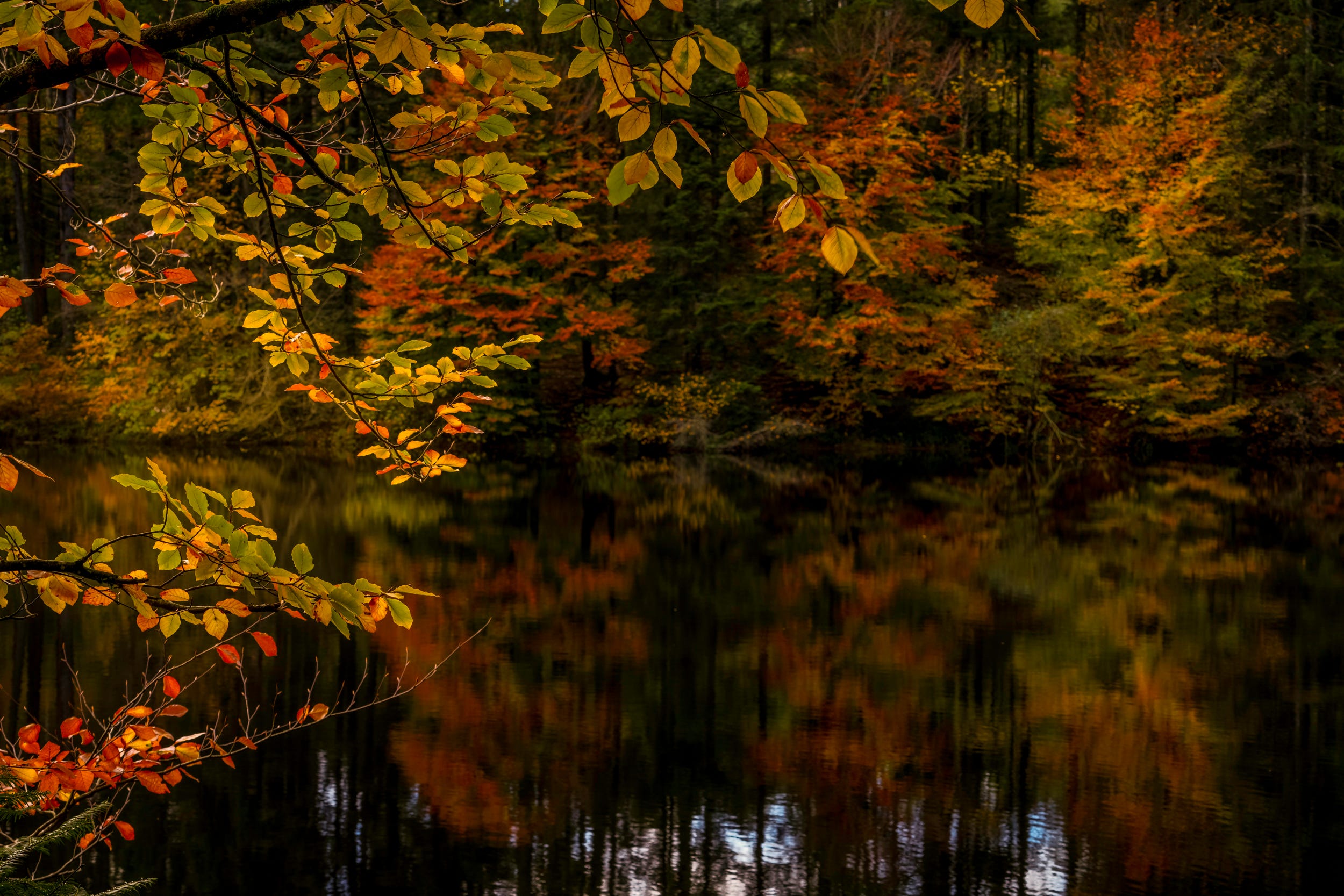
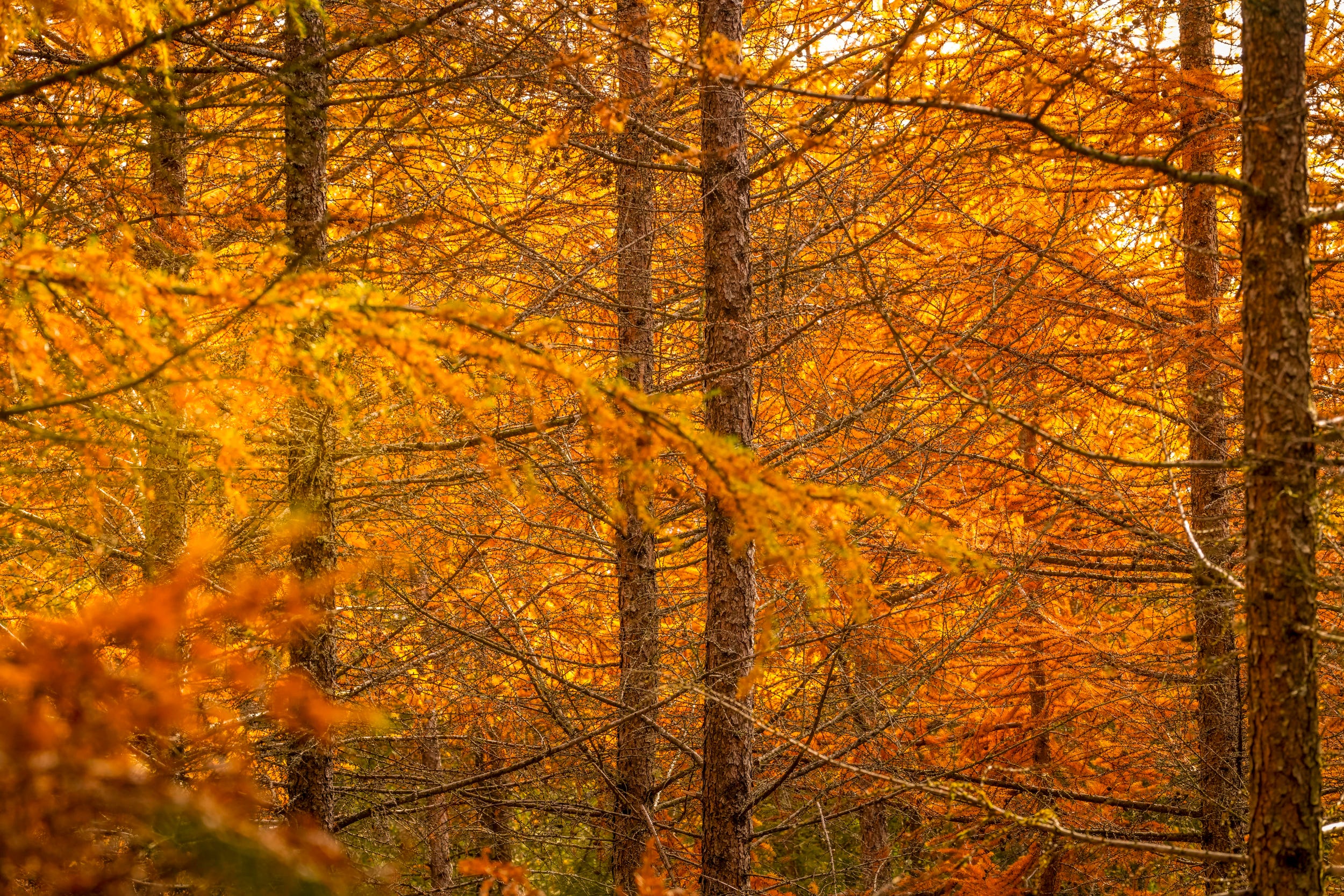
Even the locals—people who’ve lived their entire lives among these trees—said this year’s autumn was exceptional. And they were right. The colours were almost overwhelming: copper beeches glowing like embers, oaks burning gold, the occasional shock of crimson against dark evergreens. I photographed them in rain, in mist, in the brief golden clarity between strong winds.
But it wasn’t the colours that changed me. It was the silence.
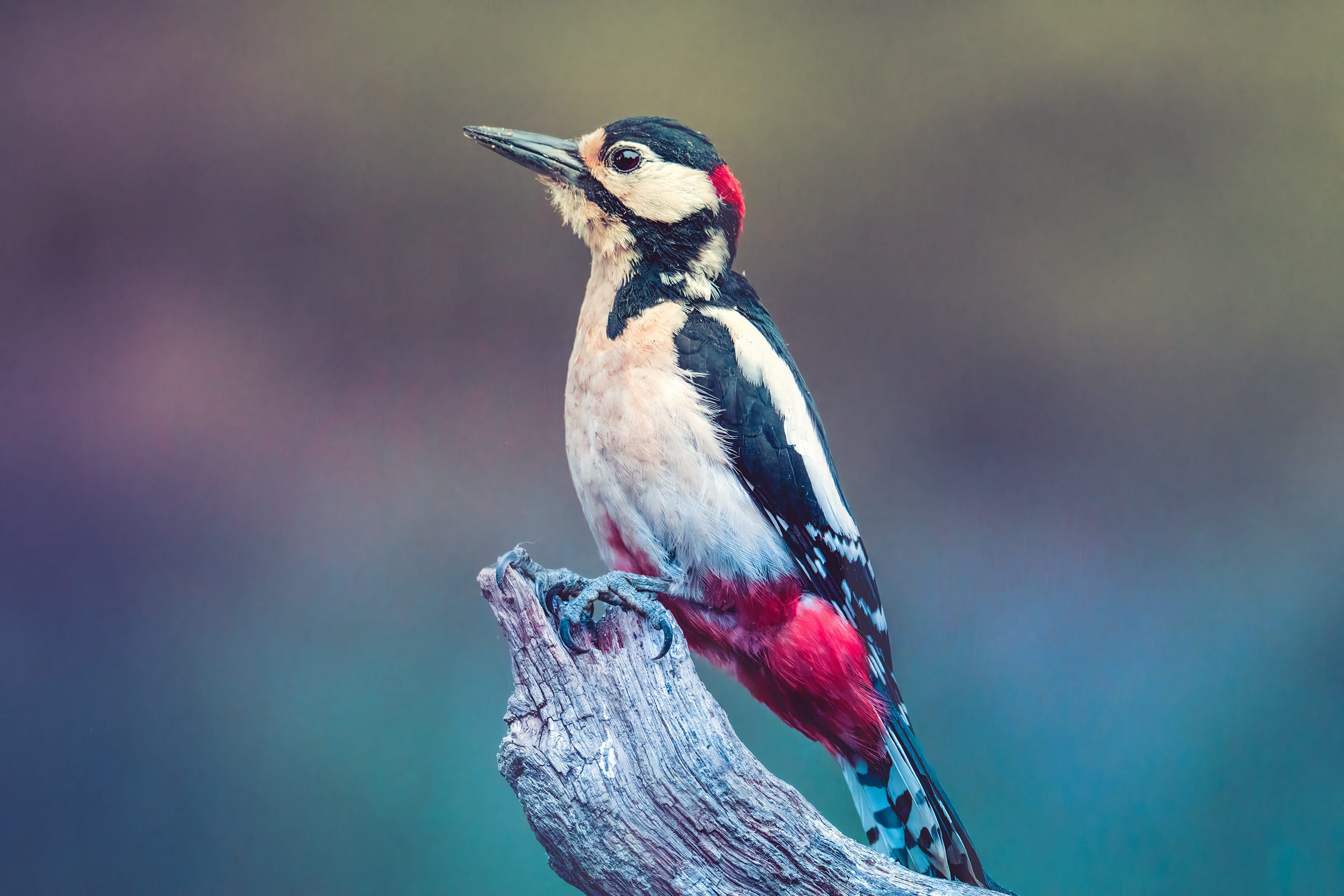
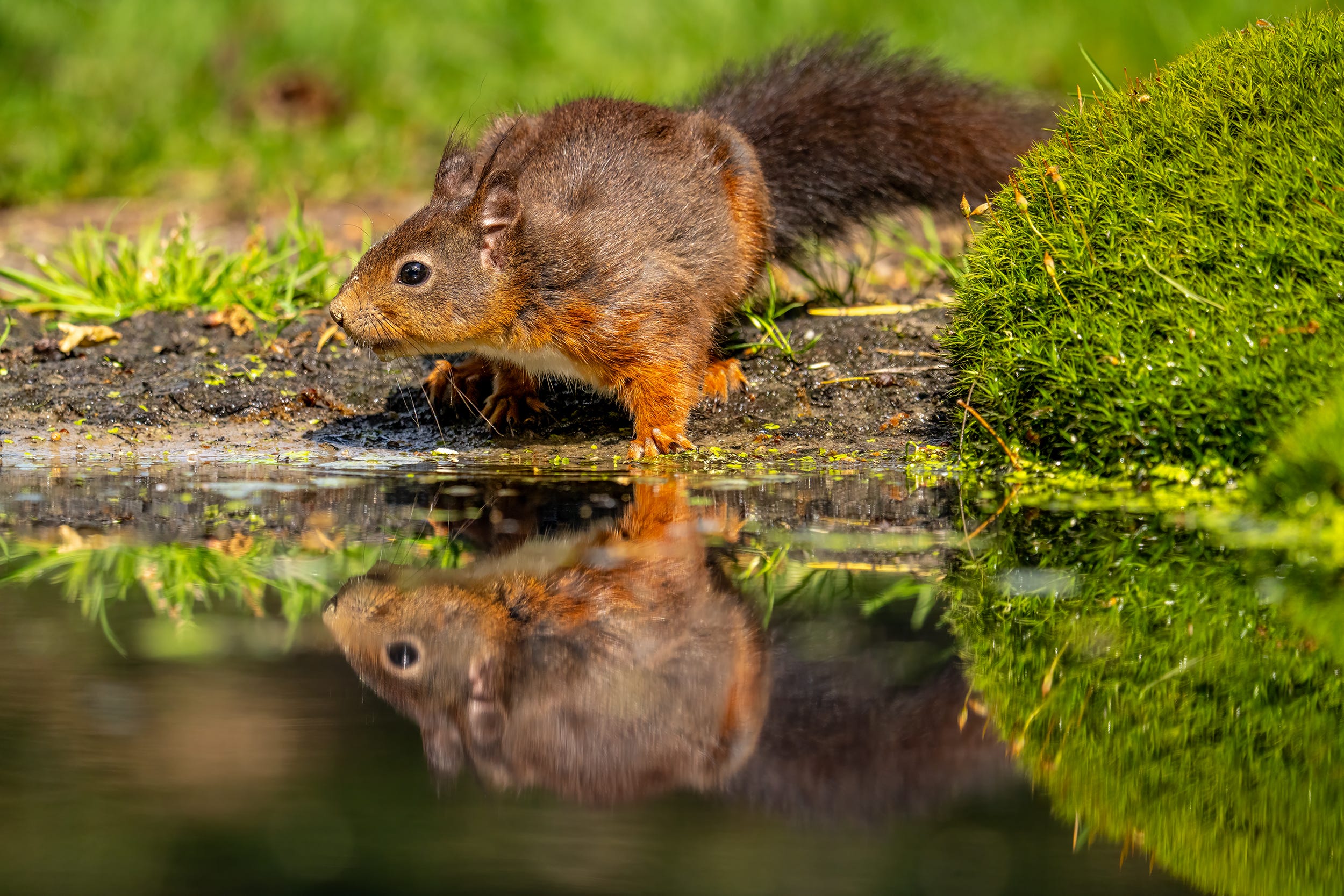
Real silence has texture. In the Morvan, that texture was punctuated only by the occasional scream of a bird cutting through the stillness, or the distant roar of wild boars moving through the undergrowth. I found myself testing my ears, trying to identify which species of woodpecker was calling—and to my surprise and delight, I could tell them apart. My mind had become quiet enough to distinguish these differences, to actually hear rather than just register bird sounds. And when I sat very still, barely breathing, the squirrels seemed to move closer—or was I imagining it? Perhaps they sensed the shift in me, the absence of restless human energy. These sounds didn’t break the silence—they deepened it, revealed its dimensions.
I walked those forest paths with my little dog for hours and hours, and with each walk, I felt something loosening. The forty tabs began closing, one by one. The urgency to consume, to reference, to justify my vision through other people’s work—it started to fall away.
The Projects That Are Still Becoming
I’m working on a few photo projects right now. They involve forest, nature, silence—that’s all I can say, because they’re still in that fragile, half-formed state where too much explanation might collapse them back into ideas instead of letting them remain as living, evolving things.
What I learned in the Morvan is that this ‘not knowing yet’ isn’t a problem to solve. It’s the point.
The projects need my empty head. They need me to stop filling myself with what everyone else is making and start listening to what this forest, this light, this particular quality of silence is trying to show me.
There’s a moment that happens when you’ve been quiet long enough. Your thoughts stop racing forward into technical decisions and compositional rules. They stop cycling backward through comparison and self-doubt. They simply... settle.
And in that settling, there’s space. Not the anxious space of a blank frame you need to fill, but the generative space of a clearing in the forest. A place where light can reach the ground. Where something unexpected might grow.


What Emptiness Actually Feels Like
I found myself seeing differently in the Morvan. Not looking for photographs, but noticing them. The difference is everything.
Ideas didn’t arrive as solutions to creative problems but as quiet recognitions—’oh, that’s what this is.’ The kind of knowing that only comes when you stop trying to know. When you give your work permission to reveal itself slowly, in its own time.
This is what the empty head offers: not absence, but presence. Not vacancy, but capacity. Not less, but room for more of what matters.
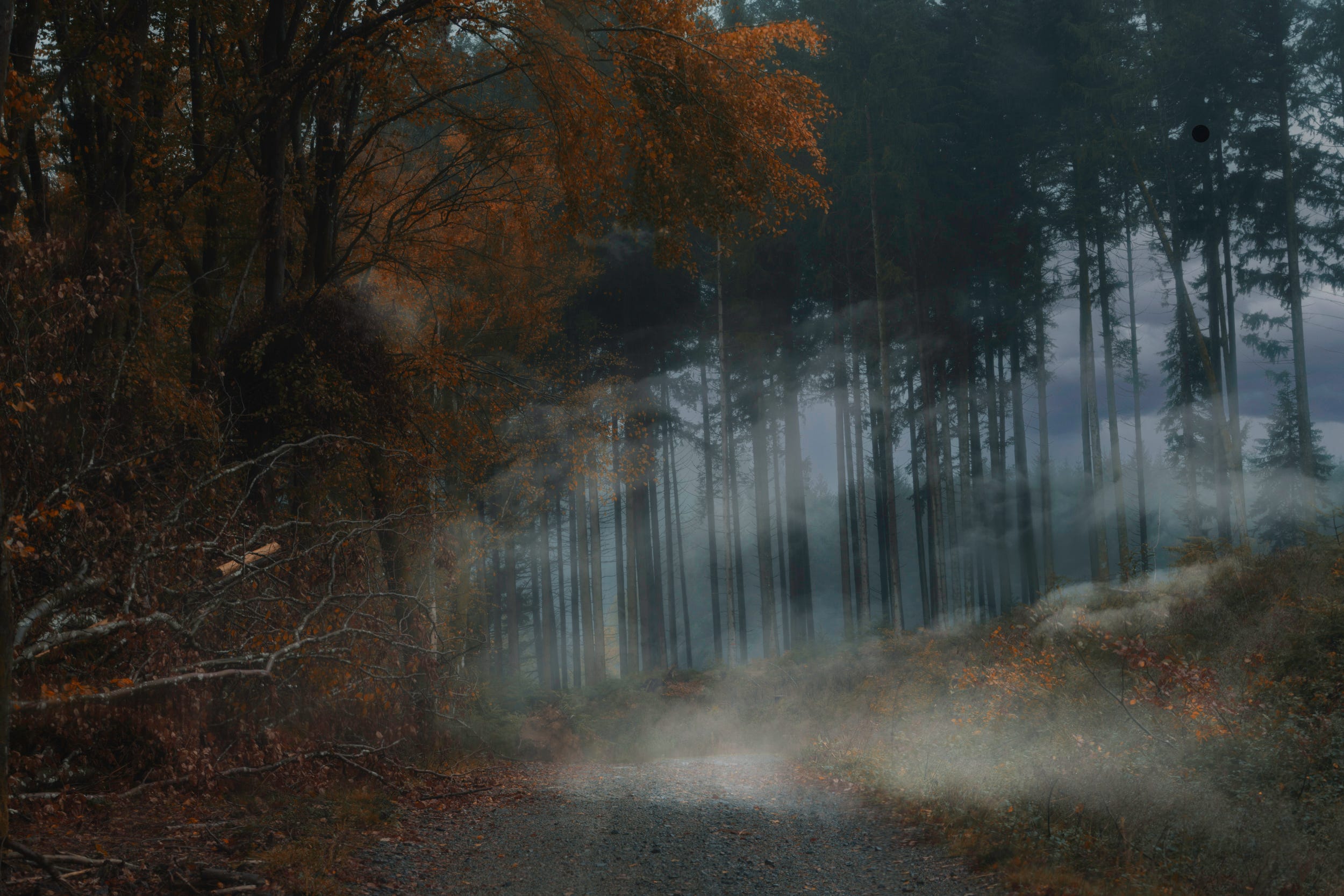
One morning, I stood in the forest as mist moved between the trees, and I didn’t immediately reach for my camera. I just watched. Waited. Let the scene settle into me before I settled into it. When I finally lifted the camera, the photograph was already there—not constructed, but received.
That’s the work I want to make. Work that comes from listening rather than forcing. From space rather than noise.
Practicing Emptiness
You don’t need the Morvan to find this, though solitude in those woods will certainly affect you. You need your own version of a silent walk, your own way of lowering the volume of the world so you can hear your thoughts again.
For me, this now means:
Walking without my phone, without podcasts, without the pressure to be productive (and yes, at times I leave my camera at home too!)
Saying no to the content that feels obligatory rather than nourishing
Protecting the ‘not knowing yet’ phase of my projects from too much explanation or exposure
My creative work doesn’t need more ingredients. It needs more silence to combine the ones already there. It needs the space to surprise me. To become something I couldn’t have planned.
Coming Home
I left the Morvan with my head emptier than when I arrived. Not empty of ideas—I’m full of them, actually—but empty of the anxious static that usually accompanies them. Empty of the need to justify or explain or reference or compare.
The colours of that exceptional autumn are still with me. But more than the visual memory, I carry the felt sense of what happens when you give your mind permission to be still. When you stop filling and start allowing.
The photo projects I’m working on are still becoming. They’re still half-wild, not quite ready to be shown. And I’m learning to trust that slowness, that privacy, that necessary emptiness.
The work that wants to come through you isn’t waiting for more input. It’s waiting for enough silence.
All you need is an empty head and the courage to keep it that way long enough to listen.
What does creative emptiness look like in your practice? I’d love to hear about the places or moments that help you find space for your work to become itself.